
Audio-video technology plays an essential role in modern homes and businesses. From immersive home theaters to advanced conference room setups, AV systems enhance communication, entertainment, and productivity.
However, many people assume that residential and commercial AV systems are essentially the same. In reality, they are designed for completely different environments, usage levels, and technical requirements.
Understanding these differences helps homeowners and business owners make smarter decisions—and ensures they invest in the right system for their needs.
In this guide, we’ll break down the key differences between residential and commercial AV systems so you can determine which solution is right for you.
What Is a Residential AV System?
A residential AV system is designed for home entertainment and personal convenience. These systems focus on delivering high-quality audio and video experiences for activities such as watching movies, listening to music, gaming, and integrating smart home technology.
Typical residential AV systems include:
- Home theater systems
- Surround sound setups
- Multi-room audio systems
- Smart TVs and streaming devices
- Outdoor entertainment systems
- Whole-home automation systems
The goal of residential AV systems is to create a comfortable and immersive entertainment environment within the home.
What Is a Commercial AV System?
A commercial AV system is designed for professional environments where communication, collaboration, and presentations are critical.
Businesses rely on commercial AV systems to support meetings, training sessions, client presentations, and large-scale events.
Common examples include:
- Conference room AV systems
- Video conferencing setups
- Digital signage displays
- Large presentation screens
- Auditorium and training room AV systems
- Office-wide audio and communication systems
Commercial AV systems prioritize reliability, scalability, and performance in high-demand environments.
Key Differences Between Residential and Commercial AV Systems
Although both types of systems use similar technologies—speakers, displays, control systems—their design and purpose differ significantly.
Let’s explore the major distinctions.
1. Purpose and Usage
Residential Systems
Residential AV systems are primarily designed for entertainment and lifestyle enhancement. Homeowners want cinematic sound, crisp visuals, and seamless integration with their daily routines.
Examples include:
- Watching movies in a home theater
- Listening to music throughout the house
- Streaming content on smart TVs
- Gaming with immersive sound
Commercial Systems
Commercial AV systems focus on productivity, communication, and collaboration.
Businesses need technology that enables teams to share information clearly and efficiently.
Examples include:
- Presenting slides during meetings
- Hosting video conferences with remote teams
- Training employees
- Displaying announcements or marketing messages
Because of this difference in purpose, commercial systems are typically more robust and technically complex.
2. System Complexity
Residential systems are often designed for ease of use. Homeowners want simple controls that allow them to manage everything from one remote or mobile app.
Commercial systems, on the other hand, are often significantly more complex.
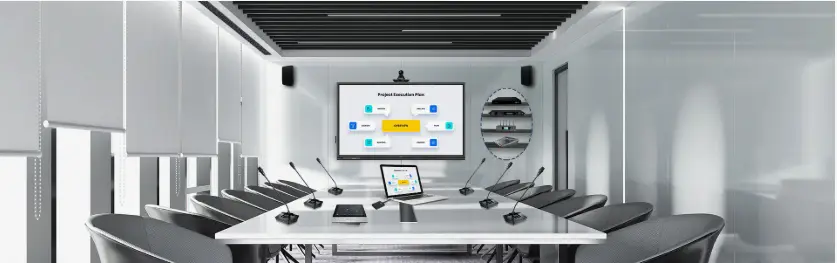
For example, a conference room AV system may include:
- Multiple displays
- Integrated microphones and speakers
- Wireless presentation systems
- Video conferencing platforms
- Automated lighting and camera controls
These components must work together seamlessly to support meetings without interruptions.
3. Reliability Requirements
Reliability is important in both environments, but the stakes are much higher in commercial settings.
In a home, if an AV system experiences a minor issue, it may simply delay entertainment.
In a business setting, however, AV failures can disrupt:
- Client presentations
- Executive meetings
- Training sessions
- Company-wide communications
Because of this, commercial AV systems are built with enterprise-level reliability and redundancy.
4. Audio Design
Residential audio systems focus on immersion and sound quality. Surround sound, subwoofers, and acoustically tuned speakers create a cinematic experience.
Commercial audio systems prioritize speech clarity and coverage.
In conference rooms and training spaces, the goal is to ensure that everyone can hear clearly, whether they’re sitting in the front row or joining remotely through a video call.
Commercial systems often include:
- Ceiling microphones
- Beamforming microphone arrays
- Distributed speaker systems
- Acoustic echo cancellation
These technologies ensure clear communication during meetings and presentations.
5. Video Display Needs
Residential video displays typically center around home entertainment, such as:
- Large smart TVs
- Home theater projection screens
- Outdoor entertainment displays
Commercial AV environments often require multiple displays and specialized screens.
For example, a corporate meeting room may include:
- Dual presentation displays
- Interactive touchscreens
- Digital whiteboards
- Video conferencing cameras
Large offices and public venues may also use digital signage systems to communicate messages to employees and visitors.
6. Scalability and Expansion
Residential systems are usually designed for individual homes or specific rooms.
While they can expand to include additional speakers or TVs, they typically serve a limited environment.
Commercial systems must support growth and changing business needs.
Companies may expand their offices, add new conference rooms, or upgrade their communication infrastructure. Commercial AV systems are designed with scalability in mind, making it easier to expand without rebuilding the entire system.
7. Integration with Business Tools
Residential AV systems integrate with smart home platforms such as:
- Voice assistants
- Home automation systems
- Lighting and climate control
Commercial systems must integrate with business productivity tools.
These may include:
- Video conferencing platforms (Zoom, Teams, Google Meet)
- Wireless presentation tools
- Room scheduling software
- Digital signage content management systems
These integrations allow businesses to operate efficiently and streamline communication.
8. Installation and Support
Residential installations are typically smaller and faster to complete. A home theater or multi-room audio system may take a few hours or a couple of days to install.
Commercial installations often involve more planning, engineering, and coordination.
Businesses require:
- Structured cabling infrastructure
- Network integration
- Custom system programming
- Training for staff
Professional AV integrators also provide ongoing maintenance and support to ensure systems continue operating smoothly.
Which System Do You Need?
Choosing between residential and commercial AV systems depends entirely on your environment and goals.
Residential AV is ideal if you want:
- Home theater experiences
- Whole-home music systems
- Smart home integration
- Outdoor entertainment setups
Commercial AV is the right choice if you need:
- Professional meeting rooms
- Reliable video conferencing
- Training and presentation systems
- Office-wide communication tools
For businesses, investing in a professionally designed AV system improves communication, enhances productivity, and creates a more professional experience for clients and employees.
Why Professional AV Design Matters
Whether you’re installing a home entertainment system or a corporate conference room setup, proper planning is essential.
Professional AV designers ensure:
- The right equipment is selected
- Systems are properly integrated
- Audio and video quality are optimized
- Technology is easy to use
This prevents costly mistakes and ensures your system delivers the performance you expect.
Final Thoughts
While residential and commercial AV systems may share similar components, they serve very different purposes.
Residential systems focus on entertainment and lifestyle, while commercial systems prioritize communication, reliability, and collaboration.
Understanding these differences helps you invest in the right technology—and avoid systems that are underpowered or unnecessarily complex for your needs.
If you’re considering a professional setup for your business, exploring dedicated commercial AV solutions and conference room systems is the best place to start.
A properly designed system will not only enhance your workspace but also support your team’s productivity for years to come.