
We design, install and program smart home systems that bring compatible lighting, shades, entertainment and other devices together. You can manage everyday routines with fewer separate controls, whether you want one button for movie night, scheduled shades for privacy or music in several rooms.
Our smart home installation on Long Island starts with the rooms you use, the equipment you already own and the controls you prefer. We review wiring, compatibility and equipment locations, then build the design around the functions you want.
We program scenes that let you coordinate several devices through a button, an app, a schedule or a supported voice command.
Depending on the equipment and integrations selected, we can configure routines such as:
We build those routines around how you use the space. A clearly labeled keypad by the door may suit everyday actions, while an app gives you access to less frequent adjustments.
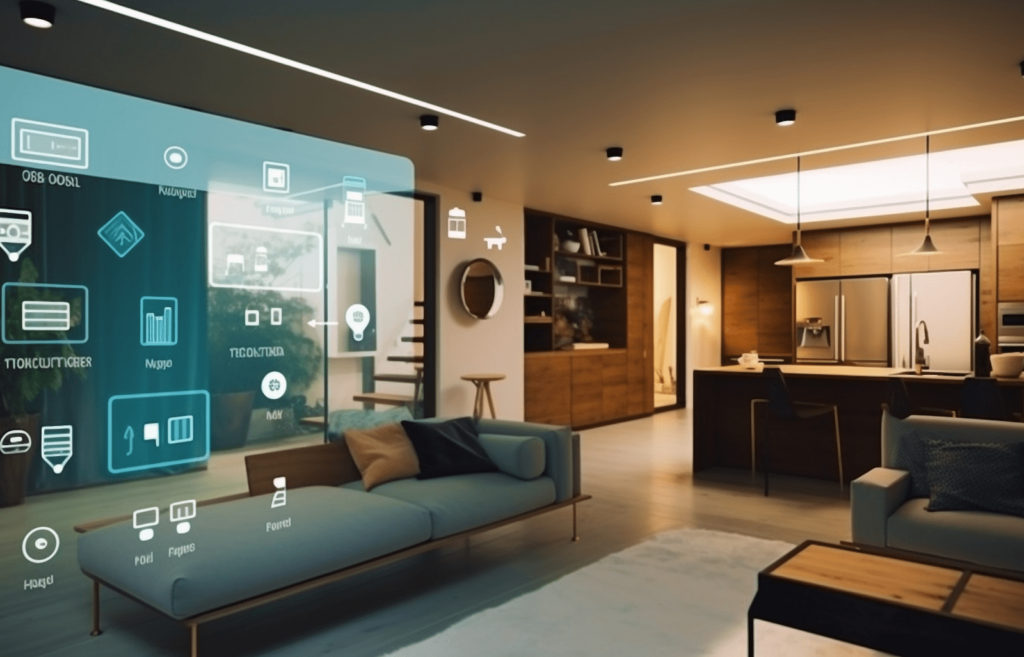
We design and install Lutron controls for dimming, schedules, scenes and compatible shades. Products and keypad placement are selected around your fixtures, wiring and room layout.
We integrate compatible audio, video, lighting and climate controls through Savant, so you can manage entertainment and room scenes from a shared app or remote.
We integrate Josh.ai natural-language voice control for supported devices and scenes alongside your apps and physical controls. Planning covers commands, microphone placement and available privacy settings.
We assess Alarm.com for supported security alerts and automation routines, confirming device and service-plan compatibility. We plan security cameras around placement, coverage and recording needs.
We plan around your home’s wiring, available power and installation access. Compatible wireless controls can reduce wall disruption, though they still need suitable power and reliable communication. Open walls provide more options for concealed wiring.

| Your Project | What We Assess | How We Plan The Installation |
|---|---|---|
| Updating an occupied home | Switches, power, wireless coverage and equipment space | Reuse suitable infrastructure and plan work around occupied rooms. |
| Renovating with walls open | Cable routes, electrical work, speakers and finishing schedules | Install wiring and controls before walls close, coordinated with other trades. |
| Building a new home | Floor plans, room controls, equipment locations and future additions | Include automation in the wiring plan early enough to coordinate electrical work and trade schedules. |
We check device models, connections, software and relevant account access before recommending what to keep or replace. Compatibility depends on the functions you want: a TV may support power and input control but still need its own app for other settings.

Matter helps compatible products work across platforms. We check device, controller and software support, since a newly announced feature may not yet be available for your equipment.
We assess network capacity, coverage and wired connections and include any upgrades in the scope. Where centralized equipment is needed, we plan organized cabling and accessible rack space for maintenance and additions.
Everyday controls should feel straightforward for your household and guests. We plan keypads, remotes, touchscreens, apps and supported voice commands around each room, with user permissions configured where the platform allows.
We explain what keeps working if your internet connection drops and what needs an online service. Behavior varies by system; remote access, streaming and some voice features may depend on connectivity.
We show you which settings you can adjust and which changes need programming help. Depending on your system and permissions, you may be able to change:
New devices or wiring changes may need installation or programming work. Any authorized remote access is agreed within your scope.
For example, a retrofit might combine living-room lighting, sunroom shades and kitchen audio. We assess fixtures, power, existing equipment and cable routes, then select compatible controls, plan shade schedules and audio zones, and program routines with individual adjustments available.
We install and configure your equipment, program the agreed scenes and test lighting, shades, audio and control responses in each room. The walkthrough lets you try the system and covers:
You can raise questions about labels, lighting levels or routines as you try the controls.
Your quote covers equipment, installation, any wiring or network upgrades, programming, testing and the agreed handoff and support. Scope varies from a focused retrofit to automation across a larger property with outdoor areas or separate buildings.
We identify applicable software fees and subscriptions during planning. If you want to start with fewer rooms, we can discuss a phased installation and plan capacity and cable routes for future additions.


 Trustindex verifies that the original source of the review is Google.
 Trustindex verifies that the original source of the review is Google.
 Trustindex verifies that the original source of the review is Google.
 Trustindex verifies that the original source of the review is Google.
 Trustindex verifies that the original source of the review is Google.
 Trustindex verifies that the original source of the review is Google.
We design and install home automation for homeowners across Nassau County and Suffolk County.
To get started, tell us what you want your home to do, along with your town, the rooms involved and whether the home is occupied, being renovated or under construction. Existing device brands, floor plans and photos can help explain the starting point.
You do not need a finished equipment list. We review the details with you and identify what needs checking before the design and quote are finalized.
Timing depends on the rooms, wiring access and equipment availability. Renovations may need visits before and after finishes are complete, so confirm the installation window and time allowed for programming and testing before booking.
You may need both. An automation installer designs and programs the system; a licensed electrician handles work such as hardwired switch replacements or new circuits. Confirm who handles each part before installation starts.
Some smart dimmers work without a neutral wire, but suitability depends on the lighting circuit and control system. In an older Long Island home, have the wiring and connected lights checked before buying controls.
Requirements depend on your municipality and the electrical work involved. Check with your local building department before installation, and confirm who handles any required permits and inspections.
Yes, compatible sensors and a suitable service plan can provide low-temperature or water-leak alerts while you’re away. Choose who receives notifications and arrange a local contact who can respond if needed.
Professional monitoring is a separate service. A compatible burglar alarm system can work with your automation, but monitoring depends on the equipment, provider and plan. Confirm who receives alarm signals and coordinates a response.


