
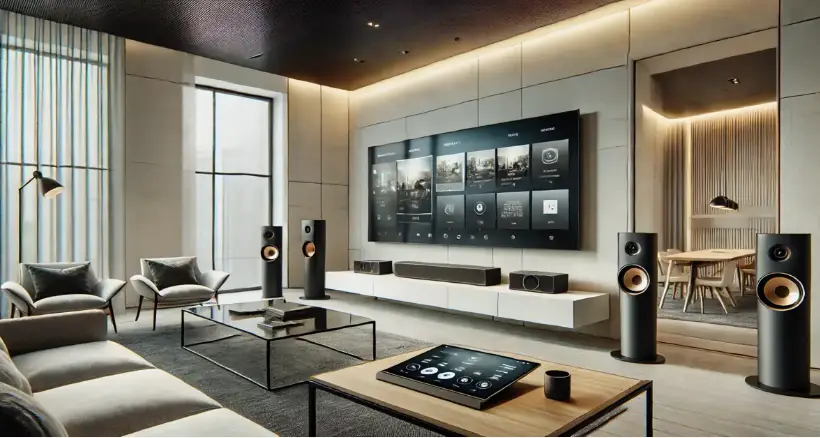
Creating the Perfect Audio-Visual Environment: A Comprehensive Guide
In today’s fast-paced world, creating an optimal audio-visual (AV) environment in your home or business can significantly enhance entertainment experiences and improve productivity. Whether you’re a homeowner looking to turn your living room into a cinematic paradise, a business owner seeking to engage clients with dynamic presentations, or a property manager wanting to provide modern amenities, understanding the nuances of audio-visual integration is key. This comprehensive guide aims to equip you with the knowledge to make informed decisions about audio-visual setups, smart home technology, and professional installation services, particularly in Long Island, NY.
Room Layout and Acoustics
Understanding Room Dimensions
The dimensions of a room directly influence how sound behaves. A room that is too small can lead to sound distortion and echoes, while a room that is excessively large may cause sound to become diffuse and poorly defined. When planning your AV setup, it’s crucial to consider the room’s height, width, and length, as well as any architectural features that may affect acoustics, such as windows, doors, and furniture arrangements. Measure your space accurately to understand how much equipment can fit and how the layout will affect sound and visuals.
Additionally, consider the purpose of the room. A dedicated home theater will have different requirements than a multi-purpose living room. If your space allows, creating a slightly irregular room shape can enhance audio performance by minimizing standing waves and resonance issues. Understanding these factors will help you lay out your equipment for the best possible AV experience.
Acoustic Treatments for Optimal Sound Quality
Acoustic treatment involves modifying a room to improve sound quality through the strategic placement of materials that absorb or diffuse sound waves. Common treatments include ceiling panels, wall absorbers, and bass traps. These elements can reduce unwanted echoes and reverberations, allowing for clearer sound reproduction, especially in systems that deliver high-fidelity audio.
In Long Island, where many homes feature hardwood floors and large windows, adding carpets, curtains, or dedicated acoustic panels can significantly enhance sound quality. You may also consider hiring an acoustician if you’re investing heavily in high-end audio systems to ensure that your setup is optimized for your specific space.
Furniture Arrangement for Enhanced Viewing and Listening
The arrangement of furniture can influence both your listening experience and the aesthetics of your AV setup. Seating should be arranged in a way that provides a clear line of sight to screens and ensures that speakers are positioned at ear level when seated. Avoid cluttering the area with excessive furniture; instead, focus on creating an inviting space that encourages engagement and comfort.
Experiments with different layouts can yield surprising results. For instance, testing various distances between the seating and the screen can determine the optimal viewing experience, while ensuring that sound waves from speakers reach the listener without obstruction is key to an immersive experience.
Screen Size and Display Type
Choosing Between TV and Projector
When deciding between a TV and a projector, consider the intended use, room layout, and personal preferences. TVs are generally easier to set up, provide excellent image quality in various lighting conditions, and come in a range of sizes. On the other hand, projectors can create a much larger image than most TVs, ideal for dedicated theater rooms, but they may require additional considerations like screen type and ambient light control.
If your space is multifunctional, a high-quality TV may be more appropriate, while a projector could be preferable in a darkened room dedicated solely to entertainment. Assess your space and viewing habits to determine which option aligns better with your lifestyle.
Factors Influencing Screen Size Selection
Screen size is essential for an engaging viewing experience. The ideal size depends on the distance from the seating to the screen and the resolution of the content. A general rule of thumb is that viewers should sit at a distance of 1.5 to 2.5 times the screen size for optimal viewing comfort.
For example, if you choose a 65-inch screen, the seating should ideally be between 8 to 13 feet away. In Long Island, where many homes feature open layouts, you may have more flexibility to adjust seating arrangements to accommodate your screen size.
Resolution and Picture Quality Considerations
Resolution plays a significant role in picture quality. Standard options include HD (1080p), 4K, and even 8K displays. Higher resolutions offer more detail and clarity, particularly for large screens. When selecting a display, consider the type of content you’ll be watching and your internet bandwidth capabilities. Streaming high-resolution content requires a robust internet connection to avoid buffering and degradation in quality.
Additionally, look for screens that offer high dynamic range (HDR) capabilities for greater color accuracy and contrast. These factors contribute to a richer viewing experience, especially in environments where ambient light conditions may vary.
Speaker Placement and Surround Sound Design
Types of Speaker Systems: 5.1 vs 7.1 and Beyond
Surround sound systems come in various configurations, the most common being 5.1 and 7.1 systems. A 5.1 system includes five speakers and one subwoofer, while a 7.1 system adds two additional speakers for a more immersive experience. Choosing the right system depends on your room size and how much you want to invest in sound quality.
For smaller rooms, a 5.1 system may suffice, but as you increase the space, a 7.1 setup can enhance the audio experience significantly. Consider what types of media you’ll be consuming—movies, music, or games—as this will influence your choice of speaker systems.
Ideal Speaker Placement for Immersive Sound
Proper speaker placement is critical to achieving an immersive sound experience. Front speakers should be positioned at ear level, while the subwoofer can be placed on the floor and may require experimentation to find the ideal location for optimal bass response. Surround speakers are typically positioned on the sides or behind the seating area to envelop the listener in sound.
Specific configurations, such as placing speakers at a 22-30 degree angle from the main listening position, can enhance soundstage and imaging. In larger Long Island homes, you may also want to consider in-wall or in-ceiling speakers to maintain a clean aesthetic while achieving excellent sound quality.
Calibration and Tuning for Best Performance
After setting up your speakers, the next step is calibration and tuning. Many modern AV receivers come with automatic calibration systems that measure room acoustics and adjust speaker settings for optimal sound. However, manual adjustments may provide even better results, especially if you have specific preferences or know your space well.
Investing time in this process can lead to a significantly improved listening experience. Additionally, periodic reevaluation of your setup can help maintain sound quality as factors like furniture changes or renovations may affect audio performance.
Wiring and Structured Cabling Requirements
Types of Cables Needed for AV Systems
Proper cabling is crucial for a reliable audio-visual system. HDMI cables are the standard for transmitting high-definition video and audio from devices to displays and receivers. For long runs, consider using active HDMI extenders to maintain signal quality. Other cables, like optical audio cables and speaker wires, also play critical roles in your setup, though the specific needs will depend on your selected components.
Additionally, consider using Ethernet cables for smart devices that benefit from wired connections, as this can enhance reliability and performance, particularly in terms of streaming services and smart home integrations.
Planning for Future Upgrades: Structured Wiring Solutions
Structured wiring involves planning and installing a comprehensive cabling system that supports current and future AV needs. This may include pre-wiring for additional speakers, network cables, or even connections for future smart home devices. By investing in a structured wiring system, you ensure your AV setup remains adaptable and scalable, ready for upgrades as technology evolves.
Consulting with a professional AV installer can provide insights into the best structured wiring solutions tailored to your specific property and needs, thereby saving you time and money in the long run.
Concealment Options for a Clean Finish
One of the major considerations in AV installation is how to conceal unsightly cables and components. Options include in-wall cabling, cable raceways, and custom cabinetry designed to hide equipment while allowing for easy access. Avoiding visible cables not only enhances the aesthetic of your space but also reduces clutter, creating a more inviting atmosphere for both homeowners and guests.
In Long Island, where many homes emphasize design and ambiance, an aesthetically pleasing installation can significantly increase property value. Opt for solutions that blend well with your home’s architecture and decor.
Smart Home Integration and Control Systems
Overview of Smart Home Technologies
Smart home technology has revolutionized the way we interact with our AV systems. Voice-activated assistants, smart remotes, and mobile applications allow for seamless control over your audio-visual setup. By integrating devices, homeowners can manage lighting, temperature, and media systems from a single interface, enhancing convenience and user experience.
Smart home technology can also improve energy efficiency. For example, automated systems can adjust settings based on your schedule or preferences, ensuring that devices are used only when needed, thus reducing energy costs.
Integrating Audio-Visual Systems with Smart Home Controls
Integrating your AV system with smart home controls means you can set up scenes or routines that combine multiple systems. For instance, a “movie night” scene might dim the lights, lower the shades, and turn on your AV equipment with a single command. This level of integration not only enhances convenience but also elevates the overall entertainment experience.
When considering smart home integration, it’s important to choose systems that are compatible with each other. Researching products and ensuring they can communicate effectively will allow you to maximize the benefits of your smart home setup.
User-Friendly Interfaces for Homeowners
User interfaces play a crucial role in the success of smart home technology. Homeowners should seek systems that offer intuitive controls—whether through mobile apps, touch panels, or voice commands. The less complicated the system, the more likely users are to take full advantage of its features.
Training sessions or demonstrations can be beneficial post-installation, ensuring that all users, regardless of technical expertise, feel comfortable navigating their new systems. A solid understanding of how to interact with the technology enhances user satisfaction and encourages daily engagement with audio-visual features.
Budget Planning and Scalability
Understanding Costs Involved in AV Installations
Budgeting for a comprehensive AV setup can be complex, as costs can vary widely based on equipment quality, installation services, and additional features like smart home integration. Begin by outlining what you envision for your space—this can include screens, speakers, wiring, and control systems—and researching average costs for each component.
Consider potential hidden costs such as installation, calibration, and ongoing maintenance. It’s vital to have a clear understanding of your budget to avoid overspending while still achieving a satisfactory setup.
Prioritizing Features Based on Budget
As you determine your budget, prioritizing features is essential. Focus on the components that will have the most significant impact on your desired experience. For example, if movies are a priority, investing in a high-quality projector may take precedence over investing heavily in smart home features.
Additionally, you may opt to phase your installation. Start with the essentials and gradually incorporate additional features as your budget allows. This approach helps to spread costs over time, making it more manageable.
Planning for Scalability and Future Upgrades
As technology evolves, new advancements offer opportunities for upgrades. Planning for scalability means choosing components that can be easily upgraded or expanded. For instance, selecting a receiver that can handle additional channels will allow you to add speakers later without needing a complete system overhaul.
Future-proofing your AV setup may require a slightly higher initial investment, but it often pays off in the long run. By tailoring your system for future growth, you can keep pace with advancements in technology and avoid the costs associated with complete replacements.
Professional Installation vs DIY Risks
Benefits of Hiring Professional Installers
While DIY projects can be appealing, hiring professional installers is often the best choice for complex AV setups. Professionals bring experience and expertise that can help avoid common pitfalls associated with equipment placement, calibration, and integration. Their knowledge of local codes and regulations can also ensure that your system is compliant and safe.
Moreover, professional installation can provide peace of mind. Many providers offer warranties on their work, meaning that if issues arise post-installation, they can address them without additional cost to you. This safety net is invaluable, particularly for homeowners unfamiliar with AV systems.
Common DIY Challenges and Pitfalls
For those who choose to tackle installations themselves, several challenges may arise. Poor speaker placement, inadequate wiring, and insufficient calibration can all lead to subpar audio and visual experiences. Additionally, without the proper tools and knowledge, you may inadvertently damage equipment, leading to increased costs and frustration.
Understanding these challenges can help you make a more informed decision about whether to proceed with a DIY approach or seek professional assistance. If you lack experience in AV installation, it’s often wiser to invest in expert help from the beginning.
Long-Term Cost Implications of DIY vs Professional Work
While DIY installations may initially save you money, they can lead to higher long-term costs if mistakes occur. Incorrect setups can result in poor performance, necessitating professional intervention later. Furthermore, if not properly installed, equipment may be at risk of damage, leading to costly replacements or repairs.
Conversely, professional installations, while carrying upfront costs, can save money over time by ensuring that systems are set up correctly and efficiently. Allocating funds for professional services can enhance performance and longevity, ultimately providing a more satisfying experience.
Long Island Home Design Considerations
Local Weather and Its Impact on AV Equipment
Long Island’s weather can significantly affect your audio-visual setup. The region experiences a wide range of temperatures and humidity levels, which can impact electronic equipment. For example, excessive humidity can damage electronic components, while extreme cold can affect performance.
When planning your AV installation, consider using equipment designed to withstand local environmental conditions. Additionally, installing AV systems in climate-controlled areas can help prolong the lifespan of your devices, maintaining their performance over time.
Architectural Styles Influencing AV Design Choices
Long Island is known for its diverse architectural styles, from classic Colonial homes to contemporary designs. The structure of your home can impact the type of AV systems you choose and how they are integrated into your space. For instance, a modern home may benefit from sleek, minimalist designs that hide technology, while a traditional home might accommodate classic furniture arrangements with visible equipment.
Consider how your AV systems will fit within the overall aesthetic of your home. Working with an AV professional who understands local architecture can provide insights into how best to integrate technology without compromising design.
Regulatory Considerations for Long Island Properties
Local regulations can affect AV installations, particularly when it comes to wiring and exterior mounting. Before beginning any installation, research local codes to ensure compliance. This may include obtaining permits or adhering to specific guidelines for safety and aesthetics.
Understanding these regulations can help avoid costly fines and delays in your project. A reputable AV professional will be familiar with local laws and can guide you through the necessary steps, ensuring a smooth installation process.
Conclusion
Creating a perfect audio-visual environment involves understanding various factors, from room acoustics to smart home integration. By carefully planning your setup and considering the unique requirements of your Long Island property, you can achieve a space that enhances entertainment experiences and lifestyle integration. Investing in quality equipment, professional installation, and smart technology can lead to long-term satisfaction and enjoyment.
FAQs
1. What is the difference between a 5.1 and 7.1 surround sound system?
A 5.1 system includes five speakers and one subwoofer, while a 7.1 system adds two additional surround speakers for enhanced audio immersion. A 7.1 system is typically recommended for larger rooms where more complex soundscapes are beneficial.
2. How do I choose the right screen size for my room?
The ideal screen size is determined by the seating distance. A general rule of thumb is to sit 1.5 to 2.5 times the screen size away. For example, if you want a 65-inch screen, the optimal viewing distance would be between 8 to 13 feet.
3. Can I install an AV system myself?
While DIY installations are possible, they can lead to challenges such as improper speaker placement and calibration issues. Hiring professionals is often recommended for optimal performance and to avoid costly mistakes.
4. What are the benefits of smart home integration?
Smart home integration allows for centralized control of your AV system, enabling you to adjust settings, create scenes, and enhance convenience. It can also improve energy efficiency by automating device use based on your habits.
5. How can I conceal my AV cables for a cleaner look?
Options for concealing AV cables include in-wall wiring, cable raceways, or custom cabinetry. These solutions help maintain an organized and aesthetically pleasing environment without visible clutter.